

What is a silk pillowcase, and what does it do for your skin and hair?
A silk pillowcase is a pillowcase made of real silk, usually mulberry silk. You notice the difference from cotton straight away: silk is far smoother. At night your hair and face glide over the fabric instead of catching on it, and that is where most of the benefits come from.
Below you can read what that means for your hair and skin, what not to expect, and what to look for when you choose one.
What exactly is a silk pillowcase?
Silk is a natural fibre made of protein. A silkworm spins its cocoon from a single long, fine thread, and those threads are woven into fabric. For mulberry silk, the silkworms are fed only on mulberry leaves. That gives extra long, even threads, and so a fabric without loose fibres. You can see that evenness in the sheen and feel it in the smooth, cool touch. From cocoon to pillowcase: how mulberry silk is made.
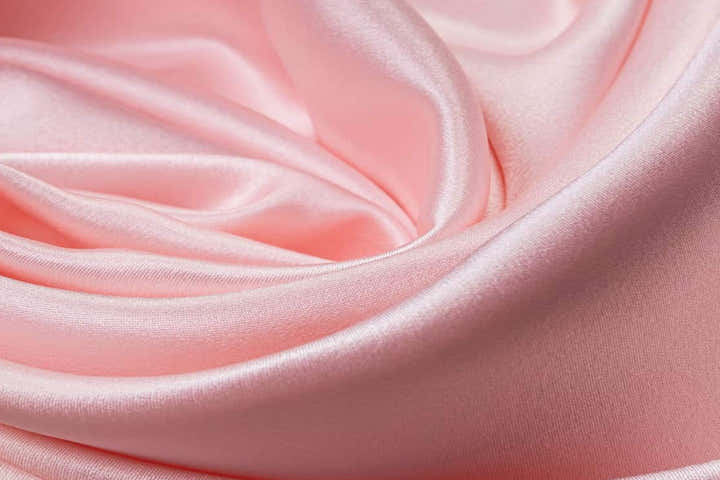
How dense and sturdy the fabric is shows in its momme, the weight of the silk. Silkora makes its pillowcases from 22 momme mulberry silk (Grade 6A), certified to OEKO-TEX® Standard 100. What momme, Grade 6A and that label mean is explained in the buying guide for silk pillowcases.
What does a silk pillowcase do for your hair?
On cotton, your hair catches a little with every movement. When you turn over at night, the strands rub against the fibres and get tangled. Silk is so smooth that your hair simply slides over it. That is why silk pillowcases are especially popular with people who have long, curly or fine hair.
What you notice:
- Fewer tangles: your hair is less knotted in the morning, so there is less brushing to do.
- Less frizz: with less friction, fewer strands end up sticking out in every direction.
- Your style lasts longer: curls and a blow-dry often make it through the night in better shape.
For curls in particular, and how to sleep with them, read silk pillowcase for curly hair.
During the day, a silk scrunchie works on the same idea: silk around your ponytail instead of a rough elastic. You'll find them among the silk scrunchies.
What does a silk pillowcase do for your skin?
Again, it comes down to the surface. Silk doesn't rub when you turn over, and against your cheek the fabric is wonderfully soft. Many people simply find it more comfortable to sleep on, especially with sensitive skin.
Silk also draws less moisture away than cotton. Cotton is a real moisture sponge: it soaks up moisture from your skin and from the cream you put on in the evening. Silk absorbs less, so more stays where it belongs.
Do you sleep cooler on silk?
Silk feels cool when you rest your cheek on it, and mulberry silk breathes well. That means less heat builds up between your face and the pillow. In winter the fabric doesn't feel chilly, because silk quickly takes on your body warmth. If you tend to overheat at night, you'll notice the difference most compared with polyester satin, which holds on to heat.
What a silk pillowcase doesn't do
Online you'll find promises about silk that go too far. So here, honestly, is what not to expect:
That is why most people make the switch.
Silk, satin or cotton?
At first glance they can look alike, but the differences are big:
If you'd like to know more about the difference, read the article on satin and silk. Comparing bamboo, percale or flannel as well? Read which pillowcase material is best.
My experience
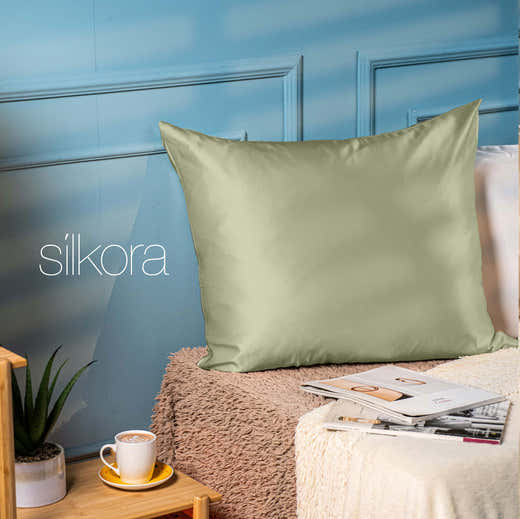
For years I tried everything: expensive serums, hair oils and satin pillowcases. Only when I started sleeping on a pillowcase made of 100% mulberry silk did I notice a real difference. My hair was less frizzy in the morning, and the pillowcase still feels soft and cool every night. These days I really can't do without it.
Also for your eyes: a silk sleep mask
What applies to your pillow applies to a sleep mask too. A mask lies over your eyes all night, and there too a smooth, soft fabric is more pleasant than a rough material. It also blocks out the light, which helps when it gets light early in summer. Silkora's silk sleep masks are made from 22 momme mulberry silk, filled with silk cotton and have an adjustable strap.
 Silk sleep mask22 momme mulberry silk, with an adjustable strap.
 Silk scrunchiesSilk around your ponytail instead of a rough elastic.
What to look for when choosing one
- 100% mulberry silk: no blend with cotton or polyester, and silk on both sides.
- Enough momme: 19 to 25 momme is common for a pillowcase. Silkora uses 22 momme.
- An OEKO-TEX® label: it shows the fabric has passed independent tests for harmful substances.
- A hidden zip: it keeps the pillow neatly inside, and you can't see it.
- The right size: a pillowcase should fit your pillow exactly. If you're unsure, read which size pillowcase you need.
Keeping your silk pillowcase beautiful
Silk needs a little more care than cotton, but it's not much. In short: a laundry bag, a delicate cycle of 30 °C at most, a silk detergent and air drying, never the tumble dryer. For the details, see our washing guide for silk pillowcases.
Frequently asked questions
Looking for a gift? Then take a look at the gift guide for Sinterklaas and Christmas too; silk pillowcases come in a gift box.